
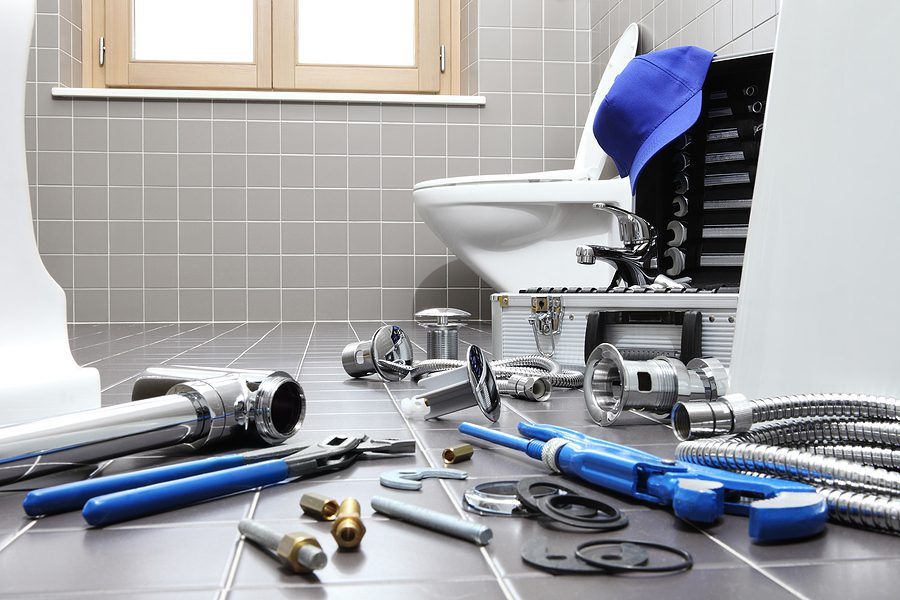
 A toilet should feel solid and stable when you sit down. When you’re sitting on your toilet it rocks, shifts sideways, or makes a slight clicking sound against the floor, something may be wrong with how it is secured or supported.
A rocking toilet is usually caused by loose mounting bolts, a damaged toilet flange, uneven flooring, or weakened flooring beneath the fixture. The movement may also disturb the seal between the toilet and its drain, potentially allowing wastewater to escape during flushing.
Not every loose toilet is leaking, and not every rocking toilet needs replacement. However, a toilet that moves should be inspected before a small mounting problem leads to damaged flooring or a more involved repair.
For Albuquerque homeowners, the important question is not simply how to stop the movement. It is whether the problem involves the mounting hardware, the drain connection, or the floor supporting the toilet.
Why Does My Toilet Rock When I Sit Down?
A toilet rocks when its base is not resting securely on the floor or when the hardware holding it in place is no longer providing adequate support.
To understand why this happens, it helps to know how a toilet is installed.
How Is a Toilet Secured to the Floor?
Most floor-mounted toilets rely on several components working together.
The toilet’s porcelain base rests on the finished bathroom floor. Two mounting fasteners, commonly called closet bolts, connect the toilet to a fitting called the closet flange.
The flange connects to the drain system and provides an attachment point for the mounting bolts.
Between the toilet outlet and the flange is a wax ring or another approved toilet seal. Its job is to help prevent wastewater and sewer gases from escaping at the drain connection.
The toilet’s weight should be supported by a sound, stable floor. The bolts secure the toilet, while the wax ring or wax-free seal protects the drain connection.
The seal is not designed to hold the toilet upright or compensate for an unstable floor.
If the base moves repeatedly, the seal may lose its ability to maintain a reliable connection.
What Causes a Loose or Wobbly Toilet?
Several different problems can make a toilet rock. Some involve relatively simple adjustments, while others require removing the fixture to inspect the flange or flooring.
1. Loose Toilet Mounting Bolts
Closet bolts help keep the toilet securely positioned over the drain opening.
If a bolt becomes loose, the toilet may shift slightly when someone sits down or stands up.
You might notice movement from side to side, a small gap beneath part of the base, or a decorative bolt cap that no longer sits securely.
However, a loose bolt does not necessarily mean that tightening it will solve the problem.
The bolt may have loosened because the flange is damaged, the toilet is not supported evenly, or the connection beneath the floor has deteriorated.
2. A Cracked or Damaged Toilet Flange
The closet flange is an important part of the toilet’s mounting system.
If the flange cracks, corrodes, breaks, or loses its ability to hold the mounting bolts, the toilet may begin moving even when the visible bolts appear tight.
Some flanges have metal mounting rings, while others use plastic or different materials. The type of damage and available repair options depend on the flange design and installation.
A broken flange can sometimes be repaired without replacing the entire drain connection. Other situations require more extensive work.
Because the flange is largely concealed beneath the toilet, a plumber may need to remove the fixture to determine its condition.
3. Uneven Tile or Missing Support Beneath the Toilet
Bathroom floors are not always perfectly level.
A toilet installed over uneven tile, an irregular grout joint, or a raised section of flooring may rest on only part of its base.
When someone sits down, the toilet can rock between those contact points.
This problem sometimes becomes noticeable immediately after a bathroom remodeling project.
Properly selected toilet shims may help stabilize a fixture when the floor and flange are otherwise sound. However, shims must be installed correctly, and they cannot repair damaged flooring or a broken flange.
4. Soft or Water-Damaged Subflooring
A toilet needs a firm surface beneath it.
If the subfloor has deteriorated because of repeated moisture exposure, it may no longer provide adequate support.
This is especially concerning when the toilet rocks and the surrounding floor feels soft, spongy, or uneven.
Other warning signs include discolored flooring, damaged baseboards, loose tiles, or a musty odor near the toilet.
A damaged subfloor requires more than tightening the toilet bolts. The weakened material must be evaluated and repaired before the toilet can be reliably secured.
5. A Cracked Toilet Base
Porcelain is strong under normal use but can crack when subjected to uneven pressure, impact, or excessive tightening.
A crack near the toilet base or mounting holes can weaken the fixture and may allow water to escape.
If you notice a visible crack in the porcelain, stop using the toilet and arrange an inspection.
Trying to tighten the bolts further can make the damage worse.
Can a Rocking Toilet Cause a Water Leak?
Yes. Repeated movement can disturb the seal between the toilet outlet and the drain flange.
When a toilet is installed correctly, the seal is compressed to form a barrier around the drain connection.
If the toilet shifts or lifts slightly, that seal may become damaged or lose proper contact.
Wastewater can then escape beneath the fixture during flushing.
This is one reason a rocking toilet deserves attention even when the bathroom floor appears dry.
Water may collect beneath the toilet or enter gaps in the flooring before becoming visible.
However, a rocking toilet does not automatically mean the wax ring has failed. The seal’s condition must be evaluated along with the cause of the movement.
Water near the base can also come from other sources, including a leaking supply connection, tank bolts, condensation, or water running down the outside of the fixture.
If you are already seeing moisture, read Why Is My Toilet Leaking Around the Base? for help distinguishing these possibilities.
What Warning Signs Mean You Should Stop Using a Rocking Toilet?
Some movement problems are less urgent than others, but certain symptoms suggest that continued use could make the situation worse.
| What you notice | What it may indicate | Recommended next step |
| Slight rocking with no visible water | Loose hardware or uneven support | Limit use and arrange an inspection |
| Rocking with water appearing during flushing | Possible drain-seal leak | Stop using the toilet until repaired |
| Sewer odor near the toilet base | Possible compromised drain seal or another drain problem | Arrange prompt plumbing evaluation |
| Soft or spongy flooring | Possible moisture damage or weakened subfloor | Avoid using the toilet and have the floor inspected |
| Visible cracks in the porcelain base | Damaged toilet fixture | Stop using the toilet; replacement may be necessary |
| Bolts turn without securing the toilet | Damaged hardware or flange connection | Do not continue tightening; have the mounting system inspected |
A sewer smell is particularly worth investigating. It may indicate a problem at the toilet’s drain connection, although other plumbing issues can also cause odors.
For more information, see What Is Causing the Sewer Smell From My Toilet?.
If water is actively leaking, stop flushing the toilet. Shut off its water supply if there is an active supply-side leak and the valve can be operated safely. Remember that closing the supply valve does not prevent wastewater already in the bowl from passing through a damaged drain seal during flushing.
What Can You Safely Check Before Calling a Plumber?
You do not need to remove the toilet to gather useful information about the problem.
A few simple observations can help explain what is happening.
Look for Gaps Around the Toilet Base
Check where the porcelain meets the finished floor.
A visible gap along one side may suggest uneven flooring or inadequate support. However, a small gap alone does not prove that the flange is damaged.
Do not force the toilet to rock back and forth to test it. Repeated movement can disturb the drain seal further.
Examine the Mounting Bolts
Most toilets have a decorative cap on each side of the base covering the mounting hardware.
Look for a missing cap, visible corrosion, a loose nut, or a bolt that appears crooked.
You can observe these conditions without attempting repairs.
If a bolt seems loose, do not assume it is safe to tighten it. The underlying flange may be damaged, and excessive force can crack the porcelain.
Check for Moisture and Flooring Damage
Look around the toilet base and nearby flooring for water stains, discoloration, loose tiles, or swelling.
Pay particular attention to moisture that appears after flushing.
Also notice whether the floor feels unusually soft when you walk nearby. Do not continue loading an area that appears structurally weakened.
If you suspect wastewater is escaping, avoid direct contact with contaminated surfaces and stop using the fixture.
Think About When the Rocking Started
The timing can help narrow the likely cause.
Consider two illustrative situations.
Situation A: The toilet started rocking immediately after new tile was installed.
The finished floor may now have an uneven surface, or the flange height may no longer be appropriate for the new flooring. The plumber would need to evaluate the toilet’s support and drain connection.
Situation B: The toilet was stable for years but recently started moving, and the floor feels soft.
This raises greater concern about a deteriorating flange, concealed moisture, or weakened flooring.
The symptoms do not establish a diagnosis, but they point toward different inspection priorities.
For additional homeowner maintenance guidance, see Albuquerque Toilet Repair Tips for the DIY Homeowner.
Can You Fix a Rocking Toilet by Tightening the Bolts?
Sometimes loose mounting hardware is part of the problem. However, tightening the bolts is appropriate only when the flange is sound, the toilet is properly supported, and the manufacturer’s installation instructions allow the adjustment.
Closet bolts are not intended to pull an uneven toilet base tightly against the floor.
If the toilet is resting on a high spot, additional tightening can place concentrated pressure on the porcelain.
That pressure may crack the base or damage the mounting connection.
If a bolt keeps turning, will not hold securely, or requires increasing force to reduce movement, stop. The flange or mounting hardware may need repair.
The correct repair addresses why the toilet moves, not merely how tightly the bolts can be fastened.
For homeowners unfamiliar with toilet mounting systems, professional inspection is a safer choice than experimenting with bolt tension.
Will Caulking Around the Toilet Base Stop It from Rocking?
Caulk can help finish the joint between a toilet and the bathroom floor, but it is not a structural repair.
It cannot restore a broken flange, secure damaged bolts, or strengthen deteriorated subflooring.
Applying caulk to a moving toilet may temporarily conceal a gap without correcting the movement.
It can also make it harder to notice moisture escaping beneath the fixture if the underlying drain seal has failed.
Some plumbing codes and manufacturer installation instructions require or recommend sealing the joint where the toilet meets the floor. The appropriate method, including whether a small opening should remain for leak detection, depends on applicable requirements and installation guidance.
The important distinction is that caulking should be part of a properly completed installation, not a substitute for fixing an unstable toilet.
How Does a Plumber Repair a Rocking Toilet?
The repair depends on which component is causing the movement.
A plumber may begin by checking the toilet’s stability, visible mounting hardware, flooring condition, and signs of leakage.
If the cause cannot be confirmed externally, removing the toilet may be necessary to inspect the flange, drain seal, and floor beneath it.
Repairing Loose Mounting Hardware
If the flange is intact and the toilet is properly supported, damaged or loose mounting hardware may be replaced or adjusted.
The toilet must sit firmly without placing excessive pressure on the porcelain.
Repairing or Replacing a Damaged Flange
A cracked or broken flange may require a repair ring, replacement flange, or another suitable repair method.
The choice depends on the existing pipe, flange material, damage, and floor condition.
A plumber must also ensure that the flange provides a secure connection and an appropriate sealing surface.
Correcting Uneven Floor Support
When the floor is sound but slightly uneven, suitable noncompressible toilet shims may be used to stabilize the base.
They must be positioned and installed correctly.
If a flooring remodel has changed the height of the finished floor, the flange and sealing arrangement may also need correction.
Simply stacking extra wax rings is not a universal solution to flange-height problems.
Repairing Damaged Subflooring
If the floor beneath the toilet is weakened, the damaged material must be evaluated.
The extent of the repair depends on how far moisture damage has spread and whether the floor can safely support the fixture.
The toilet should not be reinstalled over an unstable surface.
Replacing the Toilet Seal
When a toilet is removed, the drain seal generally needs to be renewed according to the seal manufacturer’s instructions.
A wax ring that has already been compressed should not simply be reused.
Wax-free sealing products also have specific installation and reuse requirements that depend on their design.
A properly installed replacement seal helps protect the drain connection, but it will not compensate for a loose flange or unsupported toilet base.
For professional assistance with these problems, Day & Night Plumbing offers toilet repair services in Albuquerque.
Does a Rocking Toilet Need to Be Replaced?
Not necessarily.
A toilet with an intact porcelain base may be reusable after the mounting hardware, flange, seal, or flooring problem has been corrected.
Replacement becomes more likely when the porcelain is cracked, the mounting area is damaged, or the fixture cannot be installed securely.
A toilet that rocks because of uneven tile does not automatically need replacing. Likewise, a damaged flange does not necessarily mean the entire toilet is unusable.
The repair decision should follow an inspection of the fixture and its supporting components.
For broader fixture troubleshooting, Albuquerque Toilet Repair Made Easy for DIY Homeowners covers additional toilet maintenance concerns.
Frequently Asked Questions About Rocking Toilets
Can a Toilet Rock Without Leaking?
Yes. A toilet may move because of loose bolts or uneven flooring while its drain seal remains intact.
However, repeated movement can compromise that seal over time. A dry floor does not guarantee that the connection beneath the toilet is undamaged.
Why Did My Toilet Start Rocking After New Flooring Was Installed?
New tile or other flooring can change the surface supporting the toilet and the height relationship between the finished floor and the flange.
The toilet may need proper shimming, flange correction, or another installation adjustment.
Can a Rocking Toilet Cause a Sewer Smell?
Yes. If movement compromises the drain seal, sewer gases may escape around the toilet’s connection to the drain.
However, sewer odors can have other causes. A smell alone does not prove that the toilet seal has failed.
Can I Put Shims Under a Rocking Toilet?
Proper toilet shims can help correct minor unevenness when the flange and flooring are otherwise sound.
They cannot repair a broken flange, deteriorated floor, or failed drain seal. The underlying cause should be evaluated before relying on shims.
Is a Rocking Toilet an Emergency?
A slight movement problem without water, odor, cracks, or damaged flooring may not require emergency service, but it should be addressed promptly.
Stop using the toilet if it is significantly unstable, wastewater appears during flushing, the porcelain is cracked, or the floor seems structurally weakened.
Get Professional Toilet Repair in Albuquerque
A toilet that moves side to side or rocks when you sit down is telling you that something in its mounting or support system needs attention.
The problem may involve loose closet bolts, a damaged flange, uneven tile, or weakened flooring. Because these conditions require different repairs, tightening bolts or adding caulk without identifying the cause can make matters worse.
Day & Night Plumbing, Heating & Cooling provides professional plumbing and toilet repair services for homeowners in Albuquerque, Rio Rancho, Corrales, Bernalillo, and surrounding Central New Mexico communities.
If your toilet rocks, shifts, leaks around the base, or no longer feels secure, call (505) 974-5797 or contact Day & Night Plumbing, Heating & Cooling to schedule an evaluation.