
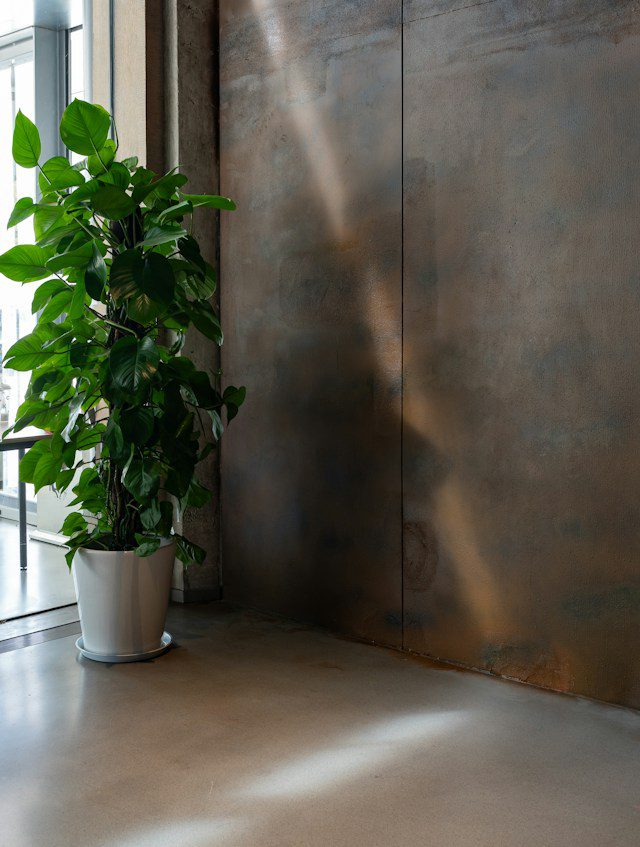
 You walk across your kitchen or hallway and notice something unusual. One section of the floor feels noticeably warmer than the surrounding area. Nobody has spilled hot water, the heating system isn’t running, and you can’t explain why that particular spot feels warm.
A warm spot on your floor could be caused by a leaking hot-water pipe beneath a concrete slab. However, sunlight, radiant heating, nearby appliances, and other heat sources can produce similar symptoms. The temperature difference alone cannot confirm a slab leak.
For Albuquerque homeowners, the important question is whether the warmth is temporary or persistent and whether other warning signs suggest water is escaping from a concealed pipe.
Understanding what causes these temperature changes can help you decide whether to monitor the area, check for additional symptoms, or arrange professional leak detection before water damages your flooring or foundation.
Why Is Just One Area of My Floor Warm?
A floor can develop a localized warm spot when heat transfers from something beneath, beside, or above it.
Concrete, tile, and other flooring materials absorb and transfer heat. Depending on the home’s construction, warmth may come from a hot-water pipe, heating equipment, sunlight, or an appliance.
For example, a section of tile near a west-facing window may become noticeably warmer during an Albuquerque afternoon. That same floor may return to its normal temperature after sunset.
A different situation occurs when a warm patch remains noticeable overnight, even though the heating system is off and the area receives no direct sunlight.
That pattern deserves closer attention, particularly if it develops alongside unexplained water use, moisture, or changes in water-heater operation.
The key distinction is that a warm floor is a symptom, not a diagnosis.
Could a Warm Floor Mean You Have a Hot-Water Slab Leak?
Yes. A localized warm spot can be a warning sign of a hot-water slab leak, especially in a home with hot-water supply piping beneath or within its concrete foundation.
A slab leak occurs when a water pipe located beneath or within a concrete slab develops a leak. Water escapes into the surrounding material rather than flowing through the plumbing system as intended.
If the damaged pipe carries hot water, heat can transfer into the nearby soil, concrete, and flooring.
How Does a Hot-Water Leak Make the Floor Warm?
Imagine a hot-water pipe running beneath a kitchen floor.
Under normal conditions, hot water travels through the pipe to a faucet, shower, or appliance. Some heat may transfer from the pipe to surrounding materials, even when the pipe is intact.
If the pipe develops a leak, escaping hot water can introduce additional heat into the surrounding area.
That heat may gradually travel through the concrete and reach the finished floor above.
Depending on the pipe’s location, the flooring material, insulation, and amount of escaping water, you might notice a small warm patch or a larger area with an uneven temperature.
The warmest spot does not necessarily identify the exact location of the damaged pipe.
Heat spreads through concrete, and water can move along paths beneath the slab. The temperature pattern at the surface may differ from the location of the actual leak.
This is one reason breaking through tile or concrete based only on where the floor feels warm is a poor diagnostic approach.
Can a Hot-Water Slab Leak Happen Without Visible Water?
Yes. A hot-water supply line can leak beneath a concrete slab without immediately producing visible moisture on the floor.
Water may remain beneath the slab, move into surrounding soil, or follow concealed pathways before reaching the surface.
In some cases, a homeowner notices warmth before seeing a damp area. In others, the first warning sign may be unexpected water consumption or the sound of running water.
The absence of visible moisture does not rule out a concealed leak.
However, it also does not mean every dry, warm floor contains a leaking pipe.
For a broader explanation of concealed plumbing problems, see How Can I Tell If I Have a Hidden Water Leak?.
What Else Can Make a Floor Warm Without a Plumbing Leak?
Several ordinary conditions can create localized floor warmth. Before assuming you have a slab leak, consider where the warm area is located and when it appears.
Sunlight Through Windows and Glass Doors
Albuquerque’s high-desert climate brings abundant sunshine throughout the year.
When direct sunlight reaches tile, concrete, stone, or wood flooring, those materials absorb heat. The floor may remain warm for a while after the sunlight moves away.
A spot that becomes warm during the afternoon and gradually cools in the evening may be responding to solar heating.
Look at whether the warm area follows the path of sunlight entering a nearby window or patio door.
Radiant Floor Heating
Some homes use radiant floor heating, which warms the floor through tubing or electric heating elements installed beneath the finished surface.
These systems are designed to transfer heat upward.
If your home has radiant heating, changes in floor temperature may reflect normal system operation, thermostat settings, or heating-zone activity.
An unexpectedly warm area can also indicate a heating-system issue, but it should not automatically be attributed to a domestic hot-water leak.
Heating Ducts or Nearby Mechanical Equipment
In certain building designs, warm air ducts or other mechanical components can transfer heat to nearby flooring.
A warm patch near a furnace closet, utility room, or mechanical chase may be related to heating equipment.
The pattern may change when the furnace operates.
A homeowner who notices warmth only during heating cycles should consider that timing before assuming the source is a leaking pipe.
Refrigerators, Dishwashers, and Other Appliances
Appliances produce heat during normal operation.
A refrigerator compressor, dishwasher, or other nearby equipment may warm adjacent cabinets, walls, or flooring.
If the warm area is near an appliance, observe whether its temperature changes when that appliance runs.
Avoid moving heavy equipment or reaching behind energized appliances simply to investigate the floor.
Normal Heat Transfer from Plumbing
Hot-water pipes can transfer some heat to surrounding materials even when they are not leaking.
A warm floor above a hot-water line is therefore not conclusive evidence of a pipe failure.
The more important questions are whether the warmth is new, whether it persists unexpectedly, and whether other evidence points toward water loss.
How Can You Tell the Difference Between Normal Floor Warmth and a Possible Slab Leak?
The location, timing, and accompanying symptoms often provide more useful information than temperature alone.
| What You Notice | Possible Explanation | What to Check Safely |
| Floor warms in direct afternoon sunlight | Solar heat absorbed by flooring | See whether it cools after sunset |
| Warmth appears when the heating system runs | Radiant heating or nearby mechanical equipment | Compare the pattern with thermostat and heating cycles |
| Warm patch is near an operating appliance | Heat from appliance components | Note whether warmth changes when the appliance is off |
| Warmth persists overnight with no obvious heat source | Concealed hot-water piping or another hidden source | Check for additional leak symptoms and unexplained water use |
| Warm floor with dampness or changing flooring | Possible concealed water leak | Avoid disturbing the floor and arrange professional evaluation |
| Warm floor with unexpected meter activity | Possible water supply leak | Confirm all known water uses are off before observing the meter |
These observations cannot establish the exact cause, but they can help determine which explanation deserves further investigation.
Consider two Albuquerque homes.
In the first, a homeowner notices warm kitchen tile beside a west-facing window at 4 p.m. The area cools overnight, and there are no other unusual symptoms. Sunlight is a reasonable explanation to investigate first.
In the second, a homeowner discovers a warm patch in an interior hallway. It remains warm early in the morning, the heating system is off, and the household’s water use has unexpectedly increased.
The second situation presents stronger reasons to investigate a possible concealed hot-water leak.
Neither example proves the cause. The difference is the amount of supporting evidence.
What Other Warning Signs Suggest a Hot-Water Slab Leak?
A persistent warm floor becomes more concerning when it occurs alongside other symptoms.
An Unexplained Increase in Your Water Bill
A leaking pressurized supply line may continue releasing water even when nobody is using a faucet or shower.
If your household’s water use has remained about the same but your bill increases, a hidden leak is one possible explanation.
However, irrigation, running toilets, changes in occupancy, and other factors can also affect water consumption.
For help evaluating that symptom, read Why Did My Water Bill Suddenly Go Up in Albuquerque? Could I Have a Plumbing Leak?.
Water Sounds When Everything Is Turned Off
You may hear water moving through plumbing even when fixtures are not being used.
Some plumbing systems produce occasional sounds during normal operation. Water heaters, recirculation systems, and appliances can also create noise.
A continuous running-water sound with no identified source, especially when combined with a warm floor, may warrant investigation.
Learn more in Why Do I Hear Water Running When Everything Is Turned Off?.
Your Water Heater Seems to Run More Often
A hot-water supply leak can increase demand on a water heater because heated water is escaping from the system.
Depending on the type of water heater, you might notice more frequent heating cycles or unexpected energy use.
This symptom is not definitive. Changes in household hot-water demand, equipment settings, or water-heater condition can also affect operation.
Moisture or Flooring Changes
A concealed leak may eventually produce visible damage.
Watch for recurring dampness, discolored grout, lifting flooring, swelling baseboards, or unexplained moisture near the warm area.
Water can travel beneath flooring before becoming visible, so the damaged area may not be directly above the leaking pipe.
A cool or dry floor also does not rule out a slab leak. A damaged cold-water line, for example, may produce no unusual warmth at all.
For a more complete discussion of related symptoms, see What Are the Signs of a Slab Leak in an Albuquerque Home?.
How Can You Check a Warm Floor Safely Before Calling a Plumber?
You can gather useful information without removing flooring, opening walls, or working on concealed pipes.
Step 1. Observe When the Floor Becomes Warm
Check whether the spot is warm at different times of day.
Does it appear after the afternoon sun reaches the room? Does it become noticeable when the furnace runs? Is it still warm in the early morning?
Record when you notice the temperature change and whether it seems to be spreading.
A few observations over time may reveal a connection to sunlight, heating equipment, or appliance operation.
If there is active water damage or another urgent warning sign, do not delay assistance simply to collect more observations.
Step 2. Look for Moisture or Flooring Damage
Inspect the area for visible moisture, changes in grout, swelling, or movement in the flooring.
Check nearby baseboards and accessible walls.
Do not pull up flooring or cut into concrete to investigate.
If the floor is wet near electrical outlets, cords, or appliances, avoid the affected equipment and seek qualified assistance.
Step 3. Check for Unexplained Water Use
Your household water meter may help reveal whether water is being consumed when everything should be off.
Make sure faucets, showers, toilets, irrigation systems, washing machines, dishwashers, and other known water-using equipment are not operating.
Then observe the meter according to your water utility’s instructions.
If it shows ongoing consumption, investigate whether an overlooked fixture or system is using water.
An unexplained reading may support the possibility of a leak, but the meter cannot tell you whether the leak is beneath the slab or whether it involves a hot-water pipe.
A brief meter check also cannot rule out intermittent leaks or moisture from sources that do not pass through the meter.
The U.S. Environmental Protection Agency’s WaterSense Fix a Leak Week resources provide additional guidance on identifying household water leaks.
Step 4. Avoid Destructive Testing
Do not drill into concrete, remove tile, open walls, or attempt to expose concealed water lines based on floor temperature.
Pipes, electrical systems, and other building components may be hidden beneath the surface.
Likewise, avoid changing water-heater controls or disconnecting plumbing connections as a diagnostic experiment.
If your observations suggest an active concealed leak, professional testing is the safer next step.
When Is a Warm Floor an Urgent Plumbing Problem?
A warm patch that appears only during afternoon sunlight may not require immediate plumbing service.
A warm patch accompanied by spreading moisture, uncontrolled water flow, or significant flooring damage is different.
Arrange prompt professional assistance when you notice:
- Water actively spreading across the floor
- A persistent warm area accompanied by unexplained water consumption
- Damp flooring, swollen baseboards, or developing water damage
- Running-water sounds with no identifiable fixture operating
- A suspected concealed leak that continues even when household fixtures are off
If you have an uncontrolled supply-line leak, shutting off the appropriate water valve may help limit damage, provided you can reach and operate it safely.
For a major leak, the home’s main water shutoff may be necessary.
Do not touch electrical equipment in wet areas or operate damaged or inaccessible valves.
If you’re uncertain how quickly to act, Is a Plumbing Leak an Emergency? When Should I Shut Off the Water? offers additional guidance.
How Does a Plumber Determine Whether a Warm Floor Is Caused by a Slab Leak?
Professional diagnosis begins by examining the available evidence rather than assuming that the warmest section of flooring identifies the leak.
A plumber may ask when the temperature difference began, whether the floor is consistently warm, and whether water use or water-heater operation has changed.
The inspection may include accessible plumbing connections, water pressure, meter observations, and an assessment of the home’s piping layout.
Depending on the situation, a qualified professional may use pressure testing, acoustic leak detection, thermal imaging, or other suitable methods to narrow down the possible source.
Can a Thermal Imaging Camera Find a Slab Leak?
Thermal imaging cameras detect patterns of surface temperature differences.
They can help reveal an unusual warm area that deserves closer examination. However, a thermal image does not directly show a hole in a concealed pipe.
The camera records surface temperatures, which can also be affected by sunlight, heating equipment, insulation, and surrounding building materials.
A temperature pattern is therefore one piece of evidence, not proof of a slab leak or its exact location.
Additional testing may be needed to confirm whether a water line is leaking.
Will the Concrete Floor Have to Be Broken Open?
Not necessarily.
The first goal is to identify whether a concealed pipe is actually leaking and determine the most appropriate repair approach.
Depending on the pipe’s location, accessibility, condition, and the home’s construction, repair options may include accessing a localized section of pipe or routing replacement piping through another suitable path.
The right approach depends on the findings.
Homeowners should understand the diagnosis and proposed repair before authorizing unnecessary demolition.
For information about related plumbing work, see Day & Night Plumbing’s water line replacement services.
Frequently Asked Questions About Warm Floors and Slab Leaks
Why Is My Tile Floor Warm Only at Night?
If your tile floor becomes warm mainly at night, check whether a radiant heating system, furnace, nearby appliance, or hot-water circulation system operates during those hours.
Concrete and tile can also retain heat after daytime sun exposure.
If the warmth is new, persistent, and unrelated to an identifiable heat source, consider checking for other leak symptoms.
Can a Slab Leak Make My Water Heater Run Constantly?
A leaking hot-water supply line may increase the amount of heated water your system must replace, causing more frequent water-heater operation.
However, water-heater cycling alone cannot confirm a slab leak. Household demand, equipment condition, and system settings also affect operation.
Will I Always See Water on the Floor if I Have a Hot-Water Slab Leak?
No. Water can escape beneath a slab without immediately reaching the finished floor.
A concealed leak may produce warmth, unexplained water use, or other symptoms before visible moisture appears.
Can a Hot-Water Slab Leak Damage My Flooring?
Yes. If leaking water reaches flooring materials, it may contribute to swelling, separation, discoloration, or deterioration.
The type and extent of damage depend on the flooring material, moisture exposure, and how quickly the problem is addressed.
Can a Cold-Water Slab Leak Cause a Warm Floor?
A cold-water line leak would not ordinarily create the same heating effect as escaping hot water.
However, cold-water slab leaks can still cause moisture damage and other symptoms. The absence of a warm spot does not rule out a concealed plumbing leak.
Does Every Albuquerque Home Have Hot-Water Pipes Beneath the Slab?
No. Plumbing layouts vary with a home’s age, construction, remodeling history, and design.
Some water lines run beneath or within concrete slabs, while others are routed through walls, ceilings, or other accessible areas.
A plumber may need to evaluate the home’s actual piping arrangement before determining whether an under-slab leak is possible.
Get Professional Help with a Warm Floor in Your Albuquerque Home
If one area of your floor feels unusually warm, there may be a simple explanation. Sunlight, heating equipment, and nearby appliances can all create localized temperature differences.
But when the warmth persists without an obvious heat source, especially alongside unexplained water use, running-water sounds, or developing moisture, a concealed hot-water leak becomes a concern worth investigating.
Day & Night Plumbing, Heating & Cooling provides professional plumbing repair, water-line services, and emergency plumbing assistance for homeowners and businesses in Albuquerque and surrounding Central New Mexico communities.
If you suspect a hot-water slab leak, a professional evaluation can help identify the source before unnecessary repairs or demolition begin.
Call (505) 974-5797 or contact Day & Night Plumbing, Heating & Cooling to request plumbing service.