
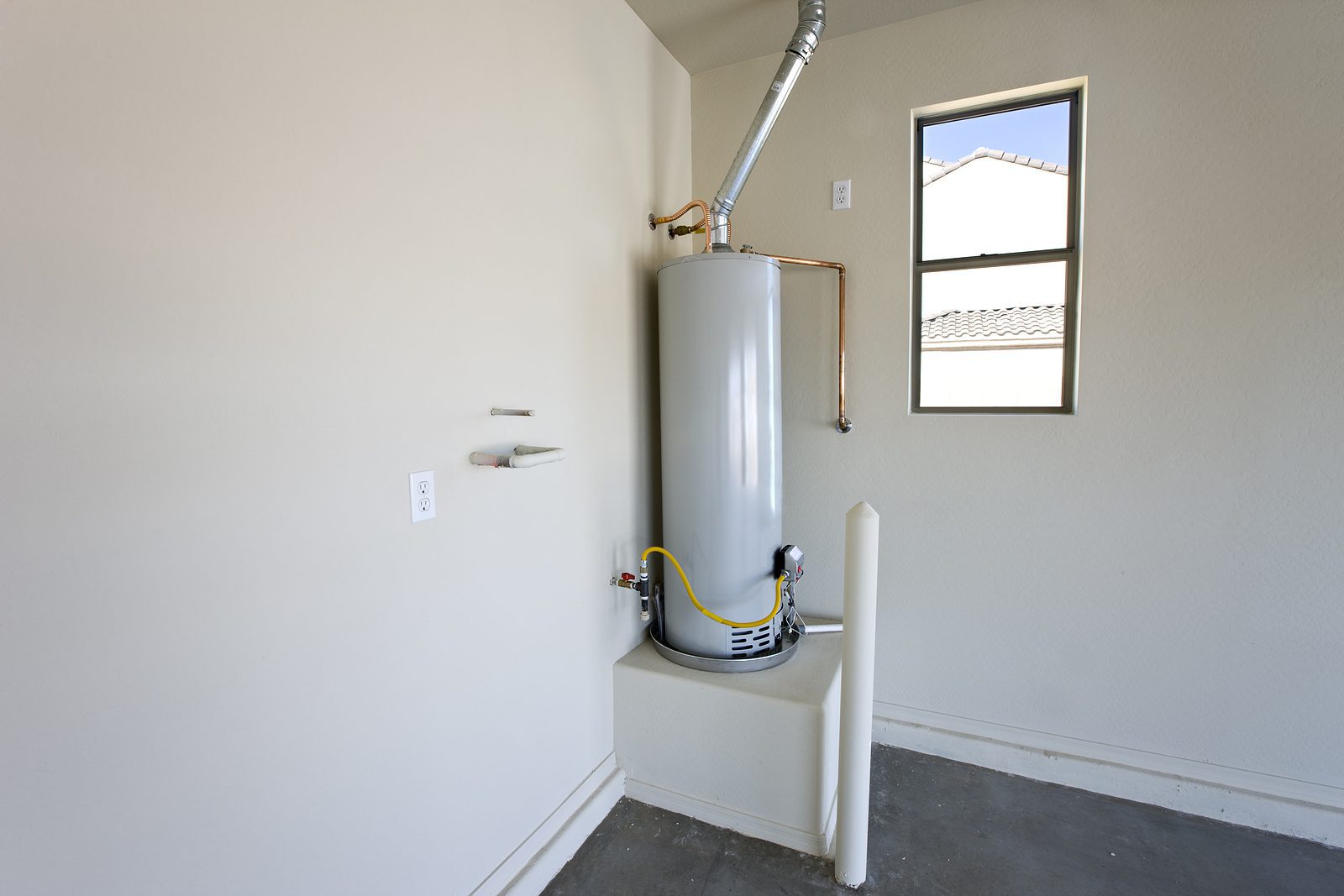
 Have you spotted reddish water flowing from your hot water faucets? Maybe you’ve noticed unusual discoloration around your home water heater tank? Don’t worry; you’re not alone if you have a rusty water heater. Water heater corrosion occurs naturally but can also lead to poor water quality and costly damage if left unchecked.
Day & Night Plumbing, Heating & Cooling services lots and lots of Albuquerque homes that deal with rusty hot water heater problems. Contact us today to learn the signs of water heater corrosion and schedule preventative maintenance or repair services.
The Science Behind Water Heater Rust
Water heater corrosion happens naturally over time through chemical reactions. While you can’t completely prevent your water heater from rusting, learning how and why it occurs can help prevent early water heater failure.
What Causes a Water Heater to Rust?
Typically, hot water heater tanks are made from steel with a glass lining. Eventually, tiny cracks in the glass will form, exposing your tank to water and steel. When oxygen meets the water and metal, it creates iron oxide or what we commonly call rust. Temperature and pH levels of your water can also increase rust development inside your water heater tank. Water heater sediment and hard water with excessive minerals hasten the oxidation process.
Is it unhealthy to have rust in your water heater?
A rusty water heater can cause brown and reddish stains in your water affecting the color of your clothing and fixtures. A small amount of rust may not harm your health or change your water’s taste, but excess water heater rust may cause your water to taste bad. While drinking water with high iron content isn’t dangerous, it may aggravate specific health problems. Furthermore, water heater corrosion can cause leaks and seriously damage your tank. Rust can build up inside faucet aerators or get pushed through your pipes affecting appliances with rubber valves.
Symptoms of a Rusting Water Heater with Rust Inside Tank
Spotting the signs of water heater rust can prevent more severe damage that will cost you more to repair. Read below to learn more about the symptoms of a rusting water heater.
Visible Signs of Rust
If you start to notice that your hot water runs dark or orange when cold water is clear, that’s a sure sign that your water heater is the problem. However, if your cold water also runs dark, you likely have a water contamination problem.
You may also see signs of discoloration or actual rust around the bottom of your water heater tank. Frequent rust spots are likely an indication of leaks or rust occurring on the inside. Additionally, any moisture or rust around the pipes, fittings, or valves could mean you have a leaking pipe or condensation build-up that will lead to rust over time.
Operational Symptoms
Another problem you may experience with rusty water heaters is reduced water pressure. Water heater rust flakes off the interior of your tank and combines with other minerals, decreasing your water flow. This reduction in water pressure may cause your water heater to produce popping or rumbling sounds. These noises are typically steam bubbles produced at the bottom of your heater tank.
If your water heater has too much rust, it can affect its ability to heat water adequately. Rust accumulates at the bottom of your water heater can form a barrier between the burner and your water. This buildup forces your heater to work harder and longer to heat your water, increasing your utility bills.
What Makes Water Heaters Rusty?
Because many factors cause corrosion in water heaters, it is essential to determine what may cause your water heater to rust. Here’s what can make your water heater rusty:
Causes of Internal Corrosion and Rust
Water heater tanks rust from the inside out. These are some factors that can cause the inside of your tank to rust:
- Anode rod problems or depletion
- Mineral deposits from hard water
- Hot water temperature causes faster oxidation
What Causes External Rust and Corrosion?
External factors also contribute to rust in water heaters. Here are several factors that can affect your water heater externally:
- Damaged pipes or fittings allow water to constantly touch your water heater’s surface.
- High levels of humidity in your utility closet or around your water heater can cause rust.
- Poor ventilation around your water heater traps excess moisture near your water heater.
Repairing or Replacing Your Rusty Water Heater
There are some things you can do to repair a rusty water heater. However, some instances require you to replace your entire water heater. Follow these tips to learn what to do if you have a rusty water heater.
Can You Remove Rust from Your Water Heater?
If you notice the signs of rust forming on your water heater, you can slow down the effects of rust with routine maintenance. Prevention is the best thing you can do to stop your water heater from rusting. Follow the following tips:
- Flush your water heater to reduce water heater sediment.
- Replace your anode rod to help prevent future rust.
- Use a water softener to eliminate excess minerals.
Repair vs Replace a Rusty Water Heater
The ONLY time you should consider replacing your water heater is when you notice puddles underneath the tank. Before deciding whether you should repair your water heater or replace it completely, ask yourself:
How bad is the rust?
Surface rust can typically be removed and treated. However, if your water heater has severe rust build-up inside the tank, it will need to be replaced.
What is the age of your water heater?
The average water heater can last you 10–12 years if it receives proper maintenance. If your water heater is over 10 years old and starts to rust, it is probably a good idea to go ahead and replace it.
How much will repairs cost me?
Think about how many times you have had to repair your water heater. If it’s more than once, you might be better off investing in a new water heater. Plus, with Hoover’s financing options, you can get your water heater installed and pay it off by the time your old water heater would’ve been replaced anyways.
How to Prevent Future Water Heater Rust
Maintaining your water heater is the best way you can prevent rust and damaging your water heater. Here are some tips.
Maintenance tips to prevent future rust
Establishing routine maintenance is the best way to keep your water heater from rusting. Flush your water heater yearly to eliminate sediment and tank impurities. We also recommend you check your water heater’s anode rod every few years. If your water heater’s anode rod is completely corroded, replace it with a new one. You should also have a professional come and visually inspect your pipes and fittings every few years to check for leaks.
Purchase a rust-free water heater
If you are in the market for a new water heater, try to invest in a higher-quality water heater. Stainless steel or heavy-duty tanks are less likely to rust. You can purchase a tankless water heater that doesn’t allow standing water to cause rust (they have different maintenance needs.). Additionally, newer models have built-in scale prevention to fight hard water.
Don’t let your rusty water heater go any longer. Call Day & Night Plumbing, Heating & Cooling today at 505-974-5797 to learn your options. Our professionals can help you determine whether you should repair your water heater or replace your water heater entirely. We guarantee you won’t find cheaper rates than us with over 25 years of experience serving the needs of homeowners throughout Albuquerque, NM.
FAQs
How quickly does a water heater rust?
Water heaters typically take 5–7 years to show you the first signs of rust. Keep in mind, some water heaters may rust sooner depending on water conditions, regular maintenance, and quality of unit.
Why does my new water heater rust?
There can be many reasons why your new water heater may rust. Poor water conditions, a defective anode rod, or improper installation can also cause your water heater to rust prematurely. Our local plumbers at Hoover can take a look and diagnose the problem.
Does a water heater eventually rust?
Yes, but routine maintenance can help prevent your water heater from rustling for up to 10 years.