 If you have a gas or electric water heater in your home, following a water heater maintenance checklist will ensure that this appliance lasts the full 10 to 20 years that you should expect it to.
Performing maintenance on your water heater yourself is easy if you arm yourself with some basic plumbing knowledge, a few DIY tips, and get professionals to inspect it once every few years.
Water Heater Maintenance Safety
Because water heaters are complex systems that deal with very hot water and sometimes natural gas, proper precautions need to be taken when inspecting and maintaining your unit to prevent burns.
Water heaters store hot water at high pressure most of the time, so if there’s an issue with your pressure-relief valve, hot water can spray out when you open it.
Gas water heaters require natural gas to heat the water tank, which is highly flammable. Valves and pipes can become worn down and begin to leak gas, leading to potential disaster.
Day & Night Plumbing, Heating and Cooling can handle any repairs that you may come across while maintaining your water heater. If you’re ever unsure of how to fix an issue with your unit, give one of our expert technicians a call.
Warning
During water heater inspection and maintenance, be sure to wear gloves, eye goggles, and protective clothing.
Water Heater Inspections
You should inspect your water heater visually every few months and call Day & Night Plumbing, Heating and Cooling for a professional inspection every four or five years.
A DIY inspection of your water heater should include an examination around the body, pipes, gaskets, screws, and other connectors for leaks, deterioration, or corrosion. You should also test your thermostat every few months to ensure the temperature is set between 120°F and 140°F.
Flush Your Water Heater
Flushing your water heater will clean out sediment that builds up inside the tank over time. Sediment buildup can greatly reduce your heater’s performance and lifespan, so make sure you flush the tank once every year.
Turn off the thermostat and water valve the night before flushing your tank so that the water has time to cool off. Once cool, turn off the power to the water heater and turn on a faucet nearby before attaching a garden hose to the drain valve on your water heater. Then turn the water back on and allow all water, along with sediment, to rush out.
Check the Anode Rod
An anode rod is designed to attract minerals and sediment so that they do not build up and corrode the inside of your water heater tank. Anode rods are located near the top of water heater tanks and will naturally corrode as it does its job. This piece will need to be replaced eventually, but you can check it every few years to ensure it’s still in good condition.
After turning off power to the unit, connect a hose to the drain valve and allow about 10 percent of water to drain out of your tank. Use your rod inspection sleeve to remove the anode rod and inspect it for corrosion. If it’s in good condition, reinstall it into the tank. If there is noticeable wear or corrosion, replace the anode rod with a new one.
Test Your Temperature and Pressure Valve
The temperature and pressure (TP) valve on your water heater automatically opens when pressure becomes too high inside the tank and needs to be relieved to prevent explosions.
To test your T&P valve, locate the valve on the top or side of your unit and remove the attached drainpipe by twisting it with your hands or wrench/pliers. Once you locate the valve, gently lift on the lever to make sure water and air escape from the tank and avoid coming into contact with water and steam.
Different Types of Water Heaters
Your home likely has the water heater that best fits its size, water use, efficiency needs, and how much you want to pay to run it. Here are some common types of water heaters.
Tank water heaters are the most common and cheapest type of water heater. These units typically hold 30-80 gallons of hot water and are powered by gas or electricity.
Tankless water heaters are still powered by gas or electricity and typically are used in smaller homes and apartments. While more expensive than traditional water heaters, they generate unlimited hot water on demand.
Point-of-use water heaters are designed to power a single fixture (typically a shower) and are cheaper but less efficient than other water heaters.
Solar water heaters primarily rely on solar energy from solar panels attached to the roof or inside of your home. They’re more popular in areas that see a lot of sun year-round.
Hybrid water heaters are larger water heaters that have both a tank and heat pump system that pulls heat from the air and ground. Hybrids are commonly found in larger suburban homes in warmer areas.
Combination boiler water heaters are small appliances that heat your home and provide hot water for your house. Their dual-purpose makes them ideal for smaller areas where efficiency is a concern.
Condensing water heaters are another efficient water heater that reroutes waste gas fumes produced by other gas-powered appliances within the home. These heaters are larger and more expensive than many models.
Water Heater Parts
As you can see, there are differences between tankless water heaters and those with storage tanks. Here are some of the parts you should know:
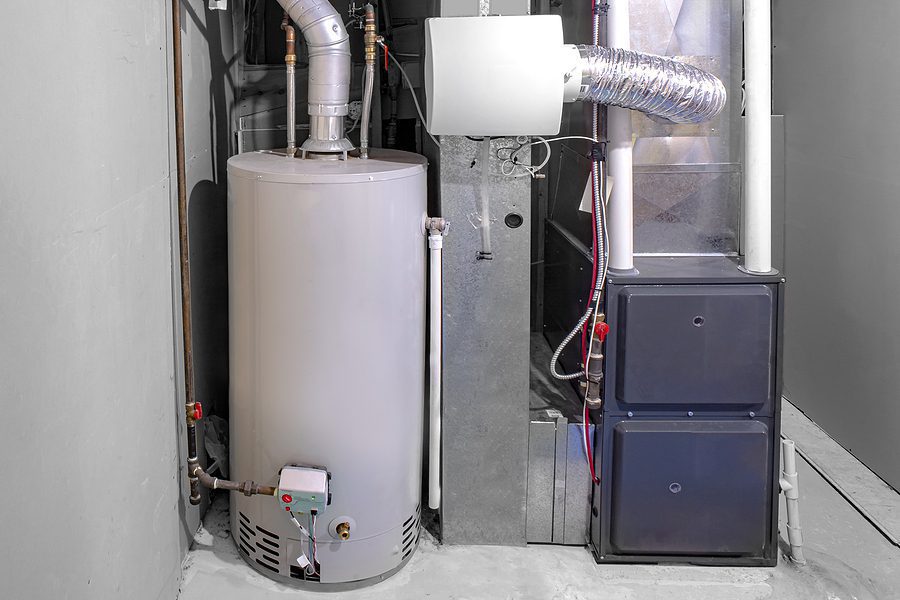
Water heaters with tanks will have both a main tank and an expansion tank. You will find the cold-water entry valve, drain valve, and thermostat on and around the main tank. The temperature and pressure valve will also be located on the tank and will have an attached overflow pipe.
Water heaters with tanks will have an anode rod located inside of the tank near the top of the tank. Gas water heaters will also have a gas supply valve coming into the tank.
Tankless water heaters will also have cold water and gas supply valves as well as pressure relief or purge valves. Purge valves work similarly to the T&P valve you’ll find on tank water heaters.
Tankless water heaters heat water with something called a heat exchanger element. Tankless water heaters generally require little to no maintenance.
Flush a Tankless Water Heater
Pour a descaler into your tankless water heater and watch it drain through one of your sinks for approximately 45 minutes to one hour.
Signs Your Water Heater Needs Maintenance
We recommend setting calendar reminders for regular water heater maintenance, but you may notice some signs that your water heater needs maintenance sooner than your semiannual or annual checklist suggests:
- Reduced water pressure
- Water not heating consistently or taking a long time to heat
- Discoloration or odor when running your hot water
- Rumbling sounds when you turn on your hot water
- Unexpected spikes in your water bills when water usage hasn’t changed
Tips to Extend Life of Your Water Heater
Maintaining your water heater is the best thing you can do to help it last, but you can take a few other steps to keep it running smoothly and prevent issues.
If you don’t already have one, install an expansion tank on your water heater. An expansion tank will help relieve pressure on your system that it does not need to worry about.
If you’ll be out of town for a long time, turn the thermostat down or switch your water heater into vacation mode. You should also add a water heater blanket to keep your heater insulated if you don’t already have one. This will decrease the energy and effort your unit has to exert.
When to Replace Your Water Heater
Water pressure issues and inconsistent heating can be remedied by completing an annual flush of your heater. If you must continue repairs to your heater, experience leaks after flushing your heater, or notice any corrosion on your tank (rust-colored water, metallic smelling/tasting water), it’s time to replace your water heater.
Typically, you should expect your water heater to last 10 to 15 years if it has a tank and 20 years if it’s tankless. Depending on the type of water heater you have, some will last longer than others.
When to Call a Plumbing Professional
Unless you’re getting your water heater professionally inspected every few years, you should always call Day & Night Plumbing if you notice any issues with your unit, whether it’s something you notice on a daily basis, something you find during your inspection, or while trying to complete DIY maintenance.